Common Plumbing Problems in New Braunfels Homes (And How to Prevent Them)
Explore top plumbing issues in New Braunfels and their solutions. Learn preventative tips to save on repairs.
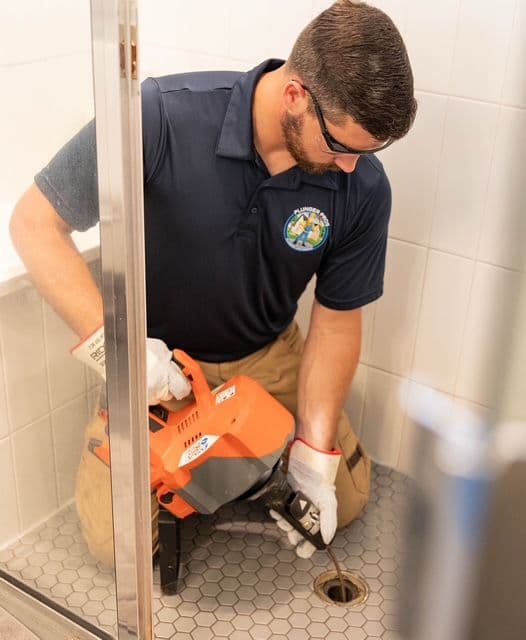
Common Plumbing Problems in New Braunfels Homes
Every city has its own unique plumbing challenges.
In New Braunfels, factors such as extremely hard water, high municipal water pressure, rapid residential growth, aging infrastructure, and expansive Texas soils all contribute to plumbing issues that homeowners experience every day.
At Plunger Pros, we help homeowners throughout New Braunfels and the surrounding area solve plumbing problems ranging from simple fixture leaks to major sewer line repairs and slab leaks.
Over the years, we've noticed certain plumbing issues appear repeatedly. Some are caused by the local water quality, some by the area's plumbing infrastructure, and others by the natural aging of plumbing systems.
If you own a home in New Braunfels, understanding these common problems can help you catch issues early and avoid expensive repairs later.
Why Plumbing Problems Are So Common in New Braunfels
Several factors make New Braunfels unique from a plumbing perspective.
Extremely Hard Water
New Braunfels has some of the hardest water in Texas.
We regularly test water hardness levels between:
15 to 30 grains per gallon (GPG)
To put that in perspective, anything above 10 GPG is generally considered very hard water.
This hard water contributes to:
Scale buildup
Water heater problems
Fixture failures
Reduced water flow
Appliance wear
High Municipal Water Pressure
Many areas throughout New Braunfels receive water pressure exceeding 80 PSI from the municipal water system.
Because of this, many homes require Pressure Reducing Valves (PRVs) to maintain safe operating pressures.
When these valves fail, plumbing problems often follow.
Expansive Texas Soils
Ground movement is a common issue throughout New Braunfels and can have a significant impact on underground plumbing systems.
As the soil expands during wet periods and contracts during dry periods, underground pipes are subjected to constant movement and stress. Over time, this can cause:
Sewer lines to crack or separate
Pipe joints to pull apart
Root intrusion into drain lines
Water service lines to break or develop leaks
Underground piping to shift out of alignment
Many of the sewer line repairs and water service line leaks we encounter start with small amounts of ground movement that gradually worsen over time. Once a pipe develops a crack or separation, wastewater or drinking water can begin escaping, often leading to larger repairs if not addressed early.
This is one reason why sewer camera inspections and leak detection services are so valuable for homeowners in New Braunfels and the surrounding area.
Rapid Residential Growth
New construction continues throughout New Braunfels.
While newer homes generally have newer plumbing systems, we still encounter issues involving:
Improper pressure settings
Missing upgrades
Water quality concerns
Builder-grade plumbing components
1. Clogged and Backing Up Drains
This is one of the most common plumbing problems we see.
Homeowners may notice:
Slow drains
Gurgling sounds
Recurring clogs
Water backing up into tubs or showers
Many drain stoppages are caused by:
Grease
Hair
Soap buildup
Flushable wipes
Foreign objects
However, simply clearing the drain is not always the complete solution.
Many times we clear a drain only to discover a larger problem during a sewer camera inspection.
2. High Water Pressure
One of the most surprising plumbing issues we find in New Braunfels homes is excessive water pressure.
Many homeowners have no idea their water pressure is too high.
In fact, some people assume strong pressure is a good thing.
Unfortunately, high pressure can create ongoing stress throughout the plumbing system.
Common symptoms include:
Water hammer
Leaking faucets
Running toilets
Water heater issues
Pipe leaks
Plumbing code limits residential water pressure to:
80 PSI maximum
We generally recommend maintaining pressure between:
60–70 PSI
to protect the plumbing system while maintaining good fixture performance.
3. Leaking Water Heaters
Water heaters are one of the most frequently repaired and replaced plumbing appliances in New Braunfels.
The most common causes include:
Hard Water Buildup
Mineral deposits accumulate inside the tank and on heating surfaces.
Corroded Fittings
We frequently see galvanized fittings installed above water heaters deteriorate prematurely.
Tank Failure
As water heaters age, internal corrosion eventually causes leaks.
Routine maintenance can help extend water heater life and identify issues before major failures occur.
4. Hard Water and Scale Buildup
Hard water affects virtually every plumbing system in New Braunfels.
Common signs include:
White spots on dishes
Mineral buildup on faucets
Shower door residue
Reduced water pressure
Water heater performance issues
Hard water doesn't just affect appearance.
It can also reduce the lifespan of:
Water heaters
Faucets
Shower valves
Dishwashers
Washing machines
Ice makers
This is one reason we strongly recommend water treatment systems for homeowners throughout the area.
5. Low Water Pressure
Low water pressure can be frustrating and often has multiple causes.
Common causes in New Braunfels include:
Hard Water Scale
Mineral buildup restricts water flow inside fixtures and plumbing systems.
Pressure Reducing Valve Issues
Builders often set PRVs conservatively, resulting in lower-than-desired pressure.
Aging Water Softeners
Older softeners can become restricted and reduce water flow throughout the home.
Clogged Fixtures
Faucet aerators and shower heads often accumulate scale over time.
6. Hidden Water Leaks
Some of the most expensive plumbing problems are the ones homeowners can't see.
We regularly locate leaks involving:
Water service lines
Plumbing inside walls
Underground piping
Common warning signs include:
High water bills
Low water pressure
Warm floors
Sounds of running water
Unexplained moisture
Many homeowners assume that if they don't see water, there can't be a leak.
In reality, some of the largest leaks we find are completely hidden.
7. Water Service Line Leaks
The water service line is the underground pipe connecting the city water meter to the home.
When this line develops a leak, homeowners often notice:
High water bills
Meter movement
Reduced pressure
What surprises many homeowners is that these leaks frequently do not create visible water in the yard.
We've located significant service line leaks where the only symptom was an increased water bill.
8. Seized Emergency Shutoff Valves
Most homeowners never touch their emergency water shutoff valves.
Unfortunately, that can become a problem.
Valves that sit unused for years often seize up and become difficult or impossible to operate.
This becomes especially problematic during emergencies when water needs to be shut off quickly.
Annual plumbing inspections often identify these issues before an emergency occurs.
9. Leaking Faucets and Plumbing Fixtures
Leaking fixtures are extremely common throughout New Braunfels.
The combination of:
Hard water
High pressure
Water chemistry
creates conditions that accelerate wear on plumbing components.
Common issues include:
Leaking faucets
Dripping fixtures
Running toilets
Failing cartridges
Sticking valves
While these issues may seem minor, they often lead to wasted water and higher utility bills.
10. Sewer Line Failures and Root Intrusion
This is one of the most expensive plumbing problems we encounter.
Many sewer line failures begin with a small issue.
Ground movement causes:
A crack
A separation
A joint failure
Once wastewater begins escaping, roots are naturally attracted to the moisture.
The roots enter the pipe and continue growing.
Over time:
The opening becomes larger
More roots enter
Flow becomes restricted
Backups begin occurring
A Real New Braunfels Sewer Line Repair
We recently helped a homeowner in New Braunfels whose main sewer line backed up and began filling the bathtub with sewage.
We responded the same evening and cleared the stoppage through the main cleanout to restore service.
Many companies would stop there.
At Plunger Pros, we always want to determine why the backup happened.
After clearing the drain, we performed a sewer camera inspection.
The inspection revealed a separated section of sewer line in the front yard with roots growing through the pipe.
The following day, we returned to:
Excavate the damaged section
Remove the failed pipe
Install new pipe and fittings
Backfill the excavation
Had the issue only been cleared and not inspected, the backup would almost certainly have returned.
Common Water Quality Problems in New Braunfels
In addition to hard water, New Braunfels homeowners often deal with water treatment chemicals.
The city uses:
Chloramine
as a disinfectant.
While effective for water treatment, chloramine can contribute to the deterioration of rubber components within the plumbing system.
Over time, this can affect:
Toilet seals
Faucet seals
Plumbing gaskets
Water treatment equipment
This is one reason many homeowners choose to install both water softeners and carbon filtration systems.
Plumbing Maintenance Every New Braunfels Homeowner Should Consider
While not every plumbing problem can be prevented, routine maintenance can help identify issues before they become emergencies.
The maintenance items we most commonly recommend include:
Annual Water Heater Maintenance
To remove sediment and scale buildup.
Annual Plumbing Inspection
To identify hidden problems and aging components.
Sewer Camera Inspection
Especially when a cleanout is available.
Water Pressure Testing
To verify the system is operating within safe limits.
Water Quality Evaluation
To determine whether treatment improvements may be beneficial.
The One Piece of Plumbing Advice We Give Every New Braunfels Homeowner
If we could give every homeowner in New Braunfels one piece of plumbing advice, it would be this:
Invest in proper water treatment.
The combination of hard water and water treatment chemicals impacts nearly every plumbing system in our area.
A properly designed water treatment system helps protect:
Water heaters
Faucets
Toilets
Shower valves
Appliances
The plumbing system itself
In our experience, few upgrades provide a greater long-term benefit for New Braunfels homeowners.
Need Help With a Plumbing Problem in New Braunfels?
Whether you're dealing with a clogged drain, high water pressure, leaking water heater, hidden water leak, sewer backup, or hard water issues, Plunger Pros can help.
We provide plumbing repairs, water heater services, sewer inspections, leak detection, water treatment solutions, and preventive maintenance throughout New Braunfels and surrounding communities.
Plunger Pros
Plumbing done the proper way
M45279
(830) 356-2141
Frequently Asked Questions
What is the most common plumbing problem in New Braunfels?
Clogged drains and sewer backups are among the most common plumbing issues we encounter.
How hard is the water in New Braunfels?
We commonly see water hardness levels between 15 and 30 grains per gallon, which is considered very hard water.
Why is my water pressure so high?
Many areas of New Braunfels receive municipal water pressure exceeding 80 PSI, requiring pressure reducing valves to protect the plumbing system.
Do I need a water softener in New Braunfels?
In our opinion, yes. The local water is extremely hard and can significantly impact plumbing fixtures, water heaters, and appliances.
Why does my sewer line keep backing up?
Recurring sewer backups are often caused by root intrusion, broken pipes, or underground sewer line separations.
How often should I have my water heater serviced?
We recommend annual maintenance and, in some cases, more frequent service depending on water quality and equipment type.
What causes hidden water leaks?
Common causes include slab leaks, water service line leaks, leaking fixtures, and plumbing failures inside walls or underground.
How can I prevent expensive plumbing repairs?
Routine inspections, water treatment, water heater maintenance, and sewer camera inspections are some of the best ways to identify problems early.