Why is my water pressure low?
Low water pressure can signal deeper plumbing issues. Learn common causes like PRV problems or leaks, and discover how to diagnose and solve these in your home.
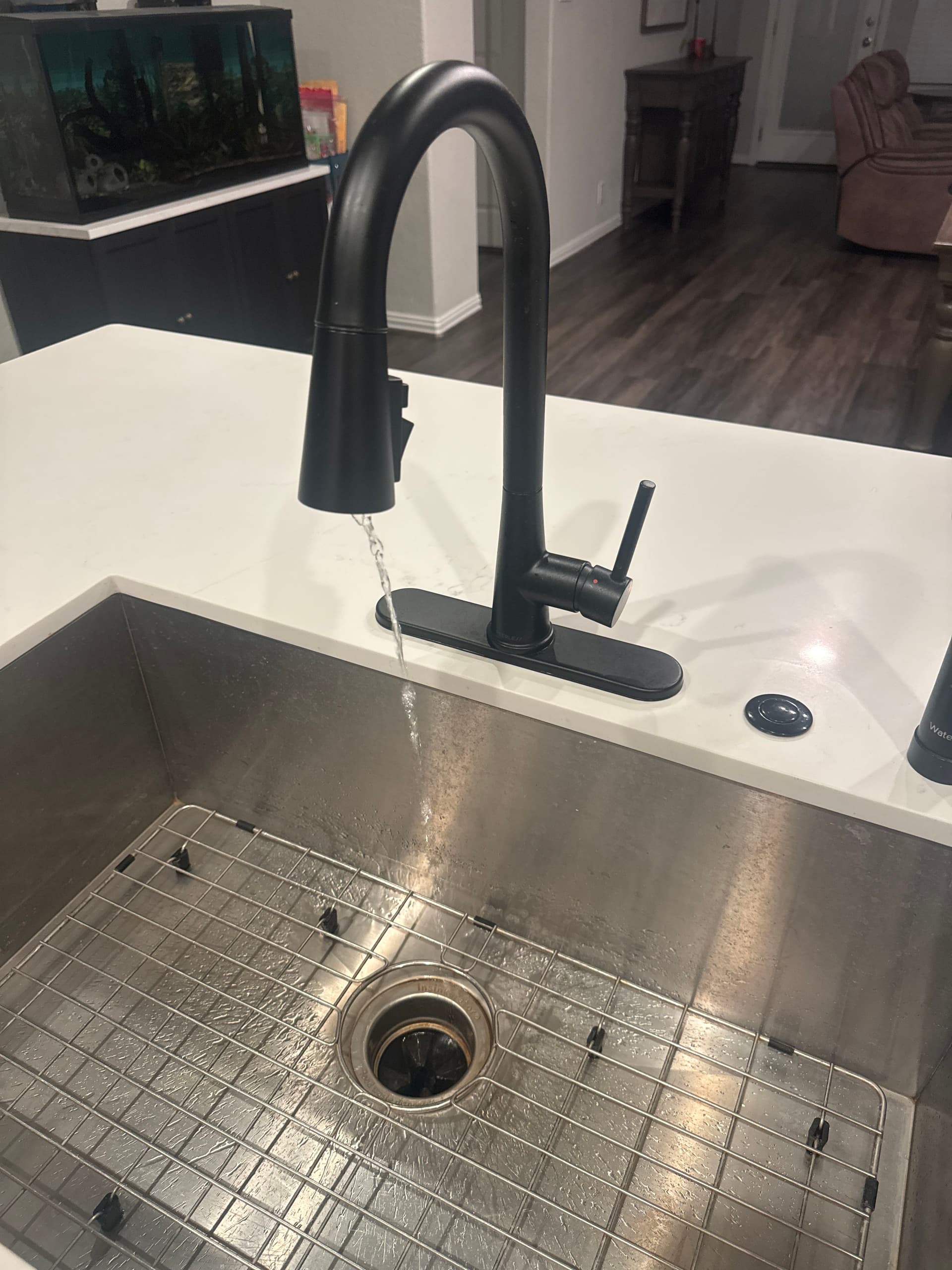
You turn on the shower and the water barely comes out. The kitchen faucet suddenly feels weaker than normal. Maybe multiple fixtures throughout the home seem to have lost pressure at the same time.
Low water pressure is one of the most common plumbing complaints we get at Plunger Pros, but many homeowners are surprised to learn that low pressure itself usually is not the actual problem. Most of the time, it is a symptom telling you something else is happening behind the scenes.
Over the years serving New Braunfels, San Antonio, Bulverde, Schertz, Cibolo, and surrounding areas, we have seen everything from simple faucet restrictions to underground water service leaks hiding beneath driveways.
The good news is that many pressure problems can be fixed. The important part is figuring out why it is happening.
The Most Common Causes of Low Water Pressure We Find
When homeowners call us for low pressure, these are some of the most common things we end up finding:
Pressure Reducing Valve (PRV) problems
Many homes have a Pressure Reducing Valve installed on the main water line entering the home. The job of this valve is to regulate incoming water pressure and protect the plumbing system.
Over time these valves can fail, become clogged with debris, or drift out of adjustment.
Sometimes homeowners assume they have a city water issue when the problem is actually a failing PRV.
Water service line leaks
Not every water leak shows itself with wet sheetrock or standing water.
We have found many underground leaks where homeowners only noticed lower pressure inside the house. The water was escaping beneath the ground before it ever reached the fixtures.
Scale buildup from hard water
Living around New Braunfels and San Antonio, hard water is something we deal with constantly.
Minerals like calcium and magnesium slowly build up inside:
• Faucet aerators
• Shower heads
• Supply lines
• Water heaters
• Pipe interiors
• Valves and fixtures
As the buildup gets worse, water flow becomes more restricted.
This is one reason we often recommend discussing water treatment options if hard water is causing recurring plumbing issues.
Fixture restrictions
Sometimes the problem is isolated to one sink or shower rather than the entire house.
A clogged aerator, debris caught inside a valve, or sediment buildup inside a fixture can significantly reduce water flow.
Hidden plumbing issues
Sometimes low pressure is the symptom of a larger issue that is developing behind the scenes.
A Real Example We Ran Into
One case that stands out involved a customer who was experiencing low pressure throughout the home.
At first glance, nothing obvious stood out. We started working through the normal diagnostic process and eventually suspected an issue with the underground service line.
We performed leak detection and eventually found a leak beneath a driveway.
Without proper testing, someone could have replaced fixtures, adjusted valves, or chased other possibilities while the real problem continued getting worse underground.
This is one reason diagnosis matters.
Low Pressure Is Often a Symptom, Not the Actual Problem
In our experience, homeowners sometimes think low pressure is simply an inconvenience.
The reality is that low pressure can uncover larger problems such as:
• Underground water leaks
• Failing pressure regulating valves
• Mineral buildup throughout the plumbing system
• Aging water lines
• Hidden restrictions in the system
• Water quality issues
Sometimes it ends up being a quick fix.
Other times it prevents a much larger problem from becoming a major repair later.
How We Diagnose Low Water Pressure
One thing we strongly believe in at Plunger Pros is diagnosing the issue properly before recommending repairs.
Our approach is typically methodical:
First, we determine whether the issue affects one fixture or the entire house.
Then we begin narrowing things down:
• We test incoming pressure
• We inspect pressure regulators
• We evaluate fixtures and valves
• We look for signs of leaks
• We inspect for restrictions and buildup
Many pressure issues can look identical to homeowners, but the causes can be completely different.
Replacing parts without proper diagnosis can create unnecessary expenses and sometimes make things worse.
DIY Fixes Can Sometimes Create Bigger Problems
We understand wanting to solve a problem yourself.
Sometimes cleaning an aerator or replacing a shower head is perfectly reasonable.
But we have also seen situations where homeowners tried replacing components without knowing the root cause and accidentally created water damage or larger repairs.
In one situation, a homeowner attempted a repair and ended up causing flooding.
There is nothing wrong with trying to save money, but when pressure problems affect the entire house or happen suddenly, it is usually worth having the system evaluated.
Hard Water Plays a Big Role in Our Area
Around New Braunfels and San Antonio, hard water can be a major contributor to plumbing issues.
Over time, mineral buildup can restrict water flow and affect system performance.
We commonly see scale buildup contributing to:
• Reduced water pressure
• Water heater issues
• Fixture performance problems
• Premature plumbing component failures
Water treatment and proper maintenance can often help reduce these long-term effects.
How to Help Prevent Low Water Pressure Problems
A few simple steps can help avoid future pressure issues:
• Have plumbing systems inspected periodically
• Address pressure changes early instead of waiting
• Keep fixtures clean and free of buildup
• Consider water treatment if hard water is present
• Maintain water heaters and plumbing components regularly
Many homeowners wait until pressure becomes extremely bad before calling.
Our advice is simple: if something changes, pay attention.
Plumbing systems usually give warning signs before larger issues develop.
Final Thoughts
Low water pressure can sometimes be something simple.
Other times it is your plumbing system trying to tell you that something bigger is happening.
Our philosophy has always been to find the cause, not just treat the symptom. Taking time to diagnose the issue correctly often saves homeowners time, frustration, and money in the long run.
If you are experiencing low water pressure in New Braunfels, San Antonio, Canyon Lake, Spring Branch, or surrounding areas, Plunger Pros is here to help.
Plumbing done the proper way.