Hydrostatic Test vs Sewer Camera Inspection: What's the Difference?
Understand the differences between hydrostatic tests and sewer camera inspections to make informed plumbing decisions.
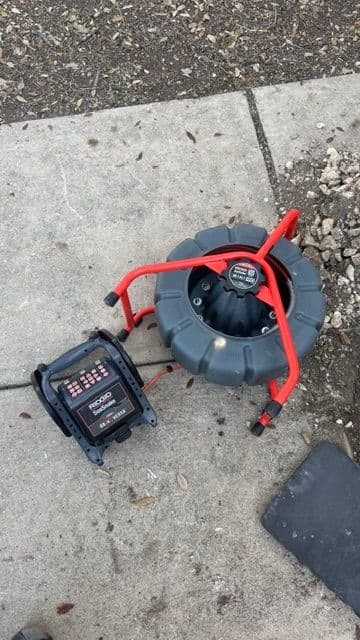
Hydrostatic Test vs Sewer Camera Inspection: What's the Difference?
When homeowners are dealing with drain problems, buying a home, or preparing for foundation repairs, two plumbing tests are commonly recommended:
One of the most common questions we hear is:
"Which test do I actually need?"
The answer is that both tests serve different purposes.
A sewer camera inspection looks at the condition of the drain system from the inside.
A hydrostatic test determines whether the drain system is leaking.
Neither test replaces the other.
In fact, the best results are often achieved when both are used together.
At Plunger Pros, we regularly perform both tests throughout New Braunfels, San Antonio, Schertz, Cibolo, Bulverde, Spring Branch, Canyon Lake, and surrounding communities.
Understanding what each test does can help homeowners make informed decisions and avoid costly surprises.
What Is a Sewer Camera Inspection?
A sewer camera inspection involves inserting a specialized waterproof camera into the drain system.
The camera allows us to view the interior of the piping and evaluate its condition.
This helps identify visible defects and abnormalities within the drain line.
Common issues a sewer camera can identify include:
Root intrusion
Broken pipes
Major pipe separations
Pipe offsets
Sagging drain lines (bellies)
Grease buildup
Heavy debris accumulation
Improper pipe slope
The camera provides valuable information about the condition of the drain system and often helps explain recurring plumbing issues.
What a Sewer Camera Inspection Cannot Do
Many homeowners assume a camera inspection can identify every drain problem.
Unfortunately, that's not always the case.
A camera can only inspect areas it can physically reach.
Some portions of a drain system may not be accessible without:
Additional cleanouts
Roof vent access
Pulling toilets
Multiple access points
Even then, portions of the system may remain hidden.
In addition, certain leaks may not be visible.
Examples include:
Failed pipe joints
Small cracks
Improperly sealed connections
Leaks hidden beneath standing water
A pipe can appear acceptable on camera and still leak.
What Is a Hydrostatic Test?
A hydrostatic test evaluates whether the underground drain system beneath a home's foundation can hold water.
The test is relatively simple.
The drain system is isolated and filled with water.
The water level is then monitored.
If the water level remains unchanged:
The system passes.
If the water level drops:
The system fails and a leak is present somewhere within the drain system.
The hydrostatic test does not care what the pipe looks like.
It only answers one question:
Is the drain system leaking?
What a Hydrostatic Test Can Identify
A hydrostatic test can identify:
Broken drain lines
Cracked piping
Failed joints
Leaking fittings
Underground drain leaks
Most importantly, it can identify leaks that cannot be seen on a camera inspection.
What a Hydrostatic Test Cannot Do
A hydrostatic test does not tell us exactly where a leak is located.
It simply confirms whether a leak exists.
If the test fails, additional testing is often required to locate the problem.
This may involve:
Sewer camera inspections
Hydrostatic pinpoint testing
Isolation testing
The Simplest Way to Understand the Difference
A good way to think about it is:
Sewer Camera Inspection
Shows what the inside of the pipe looks like.
Hydrostatic Test
Proves whether the system leaks.
Both tests provide valuable information, but they answer different questions.
Why We Often Recommend Both Tests
Many plumbing issues cannot be fully diagnosed using only one test.
A sewer camera may reveal:
Roots
Bellies
Visible breaks
But it cannot always prove whether the system leaks.
A hydrostatic test can prove there is a leak but cannot always show where it is.
When both tests are used together, they provide a much more complete picture of the plumbing system.
A Real Home Purchase Example in New Braunfels
We recently worked with a homebuyer in New Braunfels who wanted to verify the condition of the home's drain system before purchasing the property.
Another company had already performed a sewer camera inspection.
The camera inspection did not reveal any obvious problems.
At first glance, the drain system appeared to be in acceptable condition.
However, the buyer wanted additional peace of mind and requested a hydrostatic test.
The hydrostatic test failed.
At that point, we performed hydrostatic pinpoint testing to narrow down the location of the leak.
The testing ultimately revealed a break in the tub drain system.
Because that section of the plumbing could not be effectively viewed during the original camera inspection, the issue had been missed.
Without the hydrostatic test, the buyer may never have known the leak existed until after purchasing the home.
When Should You Get a Sewer Camera Inspection?
A sewer camera inspection is often recommended when:
Drains are backing up
Drains are slow
A sewer line has been cleared
A home is being purchased
Foundation repairs are being planned
Recurring plumbing problems exist
The camera helps identify visible issues and assess overall drain condition.
When Should You Get a Hydrostatic Test?
A hydrostatic test is often recommended:
Before purchasing a home
Before foundation repairs
After foundation repairs
After major drain repairs
When underground drain leaks are suspected
The test confirms whether the drain system is watertight.
What Happens If a Hydrostatic Test Fails?
If a hydrostatic test fails, the next step is usually locating the leak.
We often recommend:
Hydrostatic Pinpoint Testing
This process isolates portions of the drain system and tests them individually.
By narrowing the problem down to specific sections, we can identify the exact location of the leak.
Once located, repair options can be discussed.
In many cases throughout New Braunfels and San Antonio, this involves tunneling beneath the home's foundation to access and repair the damaged drain line.
After repairs are completed:
The system is retested
The repair is inspected
The tunnel is backfilled
Which Test Should Homeowners Choose?
This is a question we hear often.
The reality is that these tests are not competing options.
They serve different purposes.
In many situations, the best diagnostic process includes:
Hydrostatic Test
Camera Inspection
Hydrostatic Pinpoint Testing (if needed)
This approach provides the most complete understanding of the drain system and helps avoid missed issues.
The Bottom Line
If you only remember one thing from this article, remember this:
A sewer camera inspection shows the condition of the inside of the pipe.
A hydrostatic test proves whether the drain system leaks.
Both are valuable tools.
Both have limitations.
And in many situations, using them together provides the most accurate picture of your home's plumbing system.
Related Plumbing Resources
What Is a Hydrostatic Test?
What Happens If a Home Fails a Hydrostatic Test?
Do Foundation Repairs Damage Plumbing?
Why We Recommend Tunneling for Under-Slab Plumbing Repairs
Signs of a Slab Leak
Need Drain Line Testing?
Plunger Pros provides hydrostatic testing, sewer camera inspections, hydrostatic pinpoint testing, tunnel repairs, and under-slab drain diagnostics throughout New Braunfels, San Antonio, Schertz, Cibolo, Bulverde, Spring Branch, Canyon Lake, and surrounding communities.
Plunger Pros
Plumbing done the proper way
M45279
(830) 356-2141
Frequently Asked Questions
Is a sewer camera inspection the same as a hydrostatic test?
No. A sewer camera inspection visually examines the inside of the pipe, while a hydrostatic test determines whether the drain system leaks.
Can a sewer camera find every leak?
No. Some leaks, failed joints, and inaccessible sections of piping may not be visible on camera.
Can a hydrostatic test locate the exact leak?
No. A hydrostatic test confirms whether a leak exists. Additional pinpoint testing is usually required to identify the exact location.
Should I get both tests when buying a home?
In many situations, yes. Together they provide a more complete evaluation of the drain system.
Why did my hydrostatic test fail if the camera looked good?
A pipe can appear acceptable on camera and still leak. Hydrostatic testing evaluates water tightness, not just visual condition.
What happens after a hydrostatic test fails?
Additional testing, such as hydrostatic pinpoint testing, is typically performed to locate the leak before repairs are made.