Is Water Heater Flushing Really Necessary?
Explore why flushing your water heater is crucial for its efficiency and longevity. Learn how it prevents buildup and extends its lifespan.
Is Water Heater Flushing Really Necessary?
If you have ever been told to flush your water heater, you may have wondered whether it is actually necessary or just another maintenance recommendation. The short answer is yes, water heater flushing can be extremely important, but like many plumbing topics, the real answer depends on the condition and age of the system.
At Plunger Pros, we regularly service water heaters throughout New Braunfels, San Antonio, Bulverde, Schertz, Cibolo, and surrounding areas. We often find homeowners dealing with reduced hot water, strange noises, and premature water heater failures that could have been prevented with proper maintenance.
The important part is understanding when flushing helps and when it can potentially create problems.
What Does Flushing a Water Heater Actually Do?
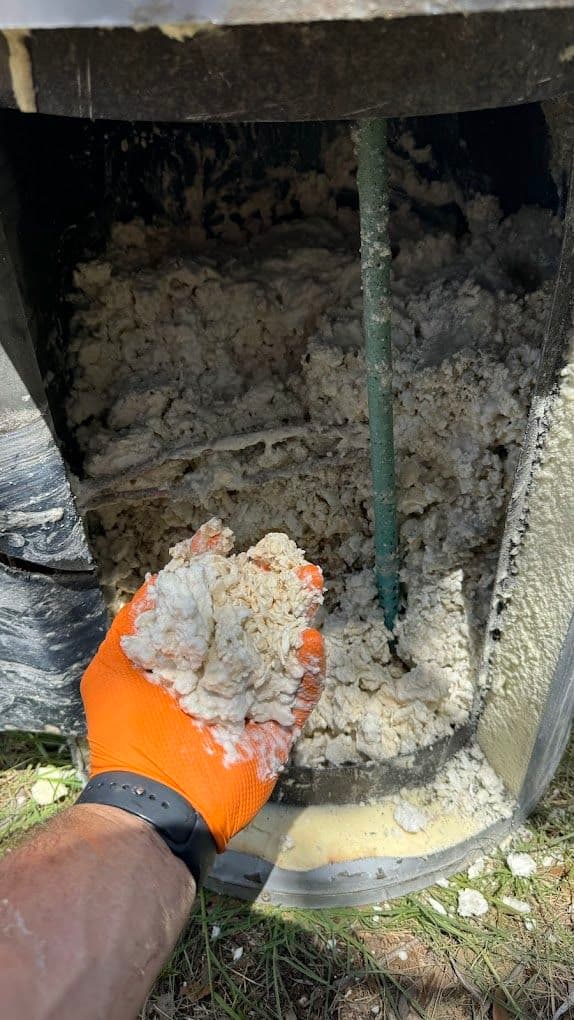
Over time, minerals and debris naturally collect inside a water heater. In our area, hard water is common and can create significant buildup inside both tank and tankless systems.
Some of the things we commonly see during maintenance include:
• Sediment buildup inside the tank
• Hard water scale accumulation
• Pieces of deteriorated anode rods
• Premature heating element failures
• Mineral deposits restricting water flow
This buildup settles inside the bottom of tank water heaters or collects within the smaller internal passages of tankless systems.
Without maintenance, that material continues building up over time.
Signs Your Water Heater May Need Maintenance
Many homeowners do not realize their water heater is developing a problem until symptoms start appearing.
Common complaints we hear include:
• Not enough hot water
• No hot water
• Rumbling or popping noises from the tank
• Slow hot water recovery
• Reduced efficiency
• Unexpected system failures
Those rumbling or popping sounds are especially common. Sediment can create a barrier between the burner or heating elements and the water itself, forcing the system to work harder.
How Often Should a Water Heater Be Flushed?
Our recommendation at Plunger Pros is to begin maintenance from the date of installation and remain consistent.
General recommendations:
Homes with a water softener:
Flush once per year
Homes without a water softener:
Flush twice per year
Hard water can significantly accelerate scale buildup, which is why water treatment can play a major role in extending the life of a water heater.
Homes throughout New Braunfels, San Antonio, Bulverde, Schertz, and Cibolo commonly experience hard water conditions that contribute to these issues.
Tankless Water Heaters Need Maintenance Too
Many homeowners assume tankless systems do not require flushing because they do not have a storage tank.
That is one of the most common misconceptions we hear.
In reality, flushing can be even more important for tankless systems.
Tankless water heaters contain much smaller internal water passages compared to standard tank units. Scale can begin collecting in these areas and create problems quickly.
Lack of maintenance can lead to:
• Reduced efficiency
• Restricted water flow
• Error codes
• Premature component failure
• Shortened equipment lifespan
Regular descaling and flushing helps keep the system operating properly.
A Common Misconception About Water Heater Flushing
Some plumbers say every water heater should automatically be flushed yearly, but an older neglected heater can sometimes need a different approach.
If a tank water heater is around 5 years old or older and has never been maintained, we often recommend evaluating the condition carefully before flushing it.
Why?
In some cases, older systems can have heavy sediment buildup that has been sitting undisturbed for years. That buildup can sometimes temporarily seal small weak areas or leaks. Aggressively flushing a neglected tank may disturb those deposits and reveal issues that were already developing.
This does not mean flushing caused the failure.
It means the water heater may already have been nearing the end of its lifespan.
Every situation should be evaluated individually.
Does Water Heater Maintenance Actually Increase Lifespan?
In our experience, yes.
In our service area we commonly see:
Water heaters with proper maintenance:
Approximately 8 to 12 years
Water heaters without maintenance:
Approximately 6 to 10 years
While no maintenance can guarantee a specific lifespan, keeping sediment and scale under control often improves efficiency and reduces unnecessary strain on the system.
Protect Your Water Heater Before Problems Start
Preventive maintenance is usually much less expensive than replacing a failed water heater unexpectedly.
Our Plunger Plus Plan includes benefits such as annual water heater maintenance along with additional plumbing system benefits designed to help homeowners stay ahead of problems before they become major repairs.
Waiting until there is no hot water often means maintenance opportunities have already been missed.
Need Water Heater Maintenance in New Braunfels or San Antonio?
Whether you have a traditional tank water heater or a tankless system, regular maintenance can help improve efficiency, reduce buildup, and extend the life of your equipment.
Plunger Pros proudly serves New Braunfels, San Antonio, Bulverde, Schertz, Cibolo, and surrounding areas with plumbing done the proper way.
Call Plunger Pros at (830) 356-2141 to schedule water heater maintenance or ask about our Plunger Plus Plan.
Frequently Asked Questions
Is water heater flushing really necessary?
Yes, regular flushing helps remove sediment, scale, and debris that can reduce efficiency and contribute to premature failures.
Can flushing an old water heater cause leaks?
Flushing itself does not create damage, but older neglected systems may already have weak areas hidden beneath years of buildup.
How often should I flush my water heater?
Generally once yearly with a water softener and twice yearly without one.
Do tankless water heaters need flushing?
Yes. Tankless systems often require descaling and maintenance because mineral buildup can quickly affect their smaller internal water passages.
Does hard water damage water heaters?
Hard water can create scale buildup that reduces efficiency, increases wear on components, and shortens equipment lifespan.