Why We Recommend Tunneling for Under-Slab Plumbing Repairs in New Braunfels and San Antonio
Discover why tunneling is ideal for under-slab plumbing in Central Texas, reducing disruption and preserving home integrity.
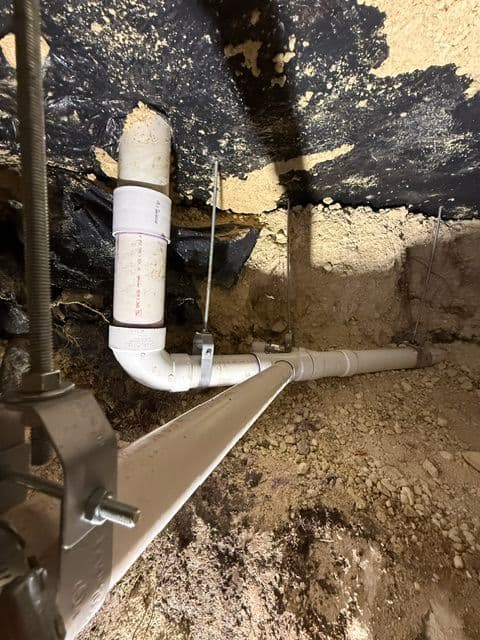
Why We Recommend Tunneling for Under-Slab Plumbing Repairs
One of the most stressful things a homeowner can hear is:
"Your drain line is broken beneath the foundation."
For many homeowners, the next thought is even worse:
"They're going to have to tear up my floors."
Fortunately, that's usually not the case.
In New Braunfels, San Antonio, and much of Central Texas, tunneling beneath the home has become the preferred method for accessing and repairing underground drain lines.
At Plunger Pros, we perform and coordinate tunnel repairs regularly because they often provide a safer, less invasive, and more homeowner-friendly solution than breaking through the foundation from inside the home.
Let's discuss why tunneling is so common in our area, how the process works, and when it may be the best option for your home.
Why Are So Many Plumbing Repairs Performed Through Tunnels?
Unlike homes in other parts of the country, most homes throughout New Braunfels and San Antonio do not have basements.
Instead, the home's drain system is buried beneath the concrete foundation.
When a drain line develops problems such as:
Breaks
Cracks
Separations
Sagging sections
Failed fittings
the plumbing is often trapped beneath several inches of concrete and several feet of compacted soil.
The challenge becomes:
How do we safely access the pipe?
In most situations, there are two options:
Option 1
Tunnel beneath the home from the outside.
Option 2
Break through the foundation inside the home.
In most cases, tunneling is the preferred solution.
Why Drain Lines Beneath Foundations Fail
Before discussing repair methods, it's important to understand why these failures occur.
Common causes include:
Foundation Movement
Expansive Texas soils expand and contract as moisture levels change.
This movement can place stress on underground drain systems.
Aging Plumbing Systems
Older drain systems naturally deteriorate over time.
Poor Installation
Improper pipe support, improper grading, or poor workmanship can contribute to premature failures.
Pipe Material
Certain piping materials are more susceptible to wear and deterioration than others.
Sagging Drain Lines
Sometimes the pipe doesn't break.
Instead, portions of the drain line begin sagging, creating low spots where waste and water collect.
Over time, these areas can cause recurring stoppages and drainage problems.
Why Tunneling Is Usually Preferred
In our area, tunneling is preferred by most plumbing companies for several important reasons.
Minimal Disruption to the Home
This is often the biggest advantage.
With tunneling, excavation occurs from outside the home.
The repair work is performed beneath the foundation rather than through the living space.
For the homeowner, this usually means:
Less mess
Less noise
Less dust
Less disruption to daily life
In many cases, the affected drain simply needs to remain out of service during the repair process.
No Concrete Breaking Inside the Home
When repairing through the slab, crews must:
Bring equipment into the home
Break through flooring
Break through concrete
Excavate beneath the slab
This process can be extremely disruptive.
With tunneling, all of that work happens outside and beneath the home.
Avoiding Silica Dust Inside the Home
Concrete removal creates silica dust.
This dust can spread throughout the home if not properly contained.
When slab breakouts are performed, the work area often needs to be isolated and sealed to prevent dust migration.
Tunneling eliminates most of these concerns.
Easier Access for Inspections
Most under-slab plumbing repairs require inspections.
When tunneling is used:
Inspectors can access the repair from outside
Engineers can inspect the tunnel directly
Homeowners avoid having inspectors repeatedly entering the home
This often makes the inspection process simpler for everyone involved.
Post-Tension Foundations Create Additional Challenges
One of the biggest reasons tunneling is preferred in our area is the prevalence of:
Post-Tension Foundations
Many homes throughout New Braunfels and San Antonio contain post-tension cables within the slab.
These cables help strengthen the foundation.
However, they also create challenges when breaking through concrete.
Before cutting into a post-tension slab, contractors often need specialized locating services to identify cable locations.
Accidentally damaging a post-tension cable can create serious structural concerns.
Tunneling allows repairs to be performed without cutting through these systems.
How a Typical Tunnel Repair Works
Most tunnel repairs follow a similar process.
Step 1: Diagnose the Problem
In many cases, homeowners call us because of:
Slow drains
Recurring stoppages
Sewer backups
We typically begin by clearing the line if necessary.
Step 2: Perform a Sewer Camera Inspection
Once flow is restored, we inspect the drain system using a sewer camera.
This allows us to identify issues such as:
Broken pipes
Separated joints
Sagging sections
Root intrusion
Step 3: Locate the Problem
Using locating equipment, we determine the exact location of the issue beneath the foundation.
Step 4: Excavate the Tunnel
The tunnel is excavated from outside the home.
The goal is to safely reach the damaged section of pipe without disturbing the home's interior.
Step 5: Complete the Plumbing Repairs
Once the piping is exposed:
Damaged pipe is removed
New PVC pipe is installed
New fittings are installed
Proper pipe support is added
At Plunger Pros, we typically install hangers secured to the foundation to properly support the new piping.
Step 6: Test the System
After repairs are complete, we typically perform:
Hydrostatic Testing
This verifies that the system holds water and no additional leaks are present.
Step 7: Inspections
The repair is inspected by:
The city
An engineer
when required.
Step 8: Backfill the Tunnel
Once all inspections pass, the tunnel is backfilled and the site is restored.
A Real Tunnel Repair in New Braunfels
One recent project involved a homeowner in New Braunfels who had experienced foundation movement.
The homeowner hired a foundation company to level and support the foundation.
After the foundation work was completed, the home's drain system failed a hydrostatic test.
We performed pinpoint testing and located a leak beneath the foundation serving the primary bathroom toilet.
To access the damaged piping, we recommended tunneling.
The tunnel was excavated from outside the home, allowing access beneath the foundation without disturbing the interior floors.
Once exposed, we repaired the damaged drain line and completed the necessary testing.
A permit was pulled and both city and engineering inspections were performed.
After the repair passed all inspections, the tunnel was backfilled and the project was completed.
Most importantly, the homeowner avoided having flooring and concrete removed from inside the home.
Common Misconceptions About Tunnel Repairs
"Tunneling Will Weaken My Foundation"
This is probably the most common concern we hear.
Fortunately, when performed properly, tunneling does not weaken the foundation.
Foundations in our area are supported by:
Structural beams
Post-tension systems
Proper engineering practices
As long as these elements are protected and not undermined, the foundation remains structurally sound.
This is one reason engineering inspections are such an important part of the process.
"The Entire House Is Being Undermined"
Not true.
Only specific areas beneath the foundation are accessed.
The tunnel is designed to safely reach the plumbing system while protecting the structure above.
"Tunneling Is More Extreme Than Breaking Through the Slab"
Many homeowners assume the opposite is true.
In reality, tunneling is often significantly less disruptive than:
Removing flooring
Breaking concrete
Excavating inside the home
Managing dust and debris
When Does Breaking Through the Foundation Make Sense?
Although tunneling is often preferred, there are situations where slab access may be appropriate.
Examples include:
Tub Replacements
Sometimes minor drain modifications can be performed through a limited slab opening.
Remodels
When flooring is already being removed as part of a remodel, direct access may be practical.
Small Drain Modifications
Certain localized plumbing changes may not justify a tunnel.
The best repair method depends on the specific project.
What Homeowners Should Know Before Choosing a Repair Method
If you've been told you need an under-slab plumbing repair, don't assume the only solution is tearing up your floors.
Ask questions.
Understand your options.
Request explanations for:
Access methods
Testing procedures
Permits
Inspections
Engineering requirements
In many cases, tunneling provides a safer and less disruptive solution while allowing the repair to be completed properly.
Why Tunneling Has Become the Preferred Method in Central Texas
The combination of:
Post-tension foundations
Expansive soils
Under-slab drain systems
Homeowner convenience
has made tunneling the preferred repair method throughout New Braunfels and San Antonio.
While every situation is different, tunneling often allows repairs to be completed with significantly less impact on the homeowner's daily life while maintaining the integrity of the home's structure.
Need a Tunnel Repair in New Braunfels or San Antonio?
If you're experiencing recurring drain backups, have been told your home failed a hydrostatic test, or need repairs beneath your foundation, Plunger Pros can help.
We provide sewer camera inspections, hydrostatic testing, pinpoint and isolation testing, tunnel repairs, drain replacements, and under-slab plumbing repairs throughout New Braunfels, San Antonio, Schertz, Cibolo, Bulverde, Spring Branch, Canyon Lake, and surrounding communities.
Plunger Pros
Plumbing done the proper way
M45279
(830) 356-2141
Frequently Asked Questions
What is a plumbing tunnel repair?
A plumbing tunnel repair involves excavating beneath a home's foundation from the outside to access and repair underground plumbing without breaking through interior floors.
Why is tunneling preferred in New Braunfels and San Antonio?
Most homes in our area have slab foundations and many contain post-tension cables. Tunneling is often less invasive and safer than cutting through the foundation.
Does tunneling weaken the foundation?
When performed properly and inspected by an engineer when required, tunneling should not weaken the home's foundation.
How do plumbers know where to tunnel?
Plumbers use sewer cameras and locating equipment to determine the exact location of the damaged pipe before excavation begins.
What types of repairs can be performed through a tunnel?
Drain repairs, sewer repairs, drain replacements, failed p-trap repairs, and complete under-slab drain repipes are commonly completed through tunnels.
Is tunneling less disruptive than breaking through the floor?
In most cases, yes. Tunneling typically avoids interior demolition, flooring removal, concrete breaking, and dust inside the home.
Do tunnel repairs require inspections?
Yes. Permits, city inspections, hydrostatic testing, and engineering inspections may be required depending on the project.
Can a tunnel repair fix a failed hydrostatic test?
Yes. Once the leak is located through additional testing, tunneling is often used to access and repair the damaged drain line beneath the foundation.