Why Does My Shower Drain Smell?
Struggling with a smelly shower drain? Discover the common causes and effective solutions for drain odors in New Braunfels & San Antonio homes.
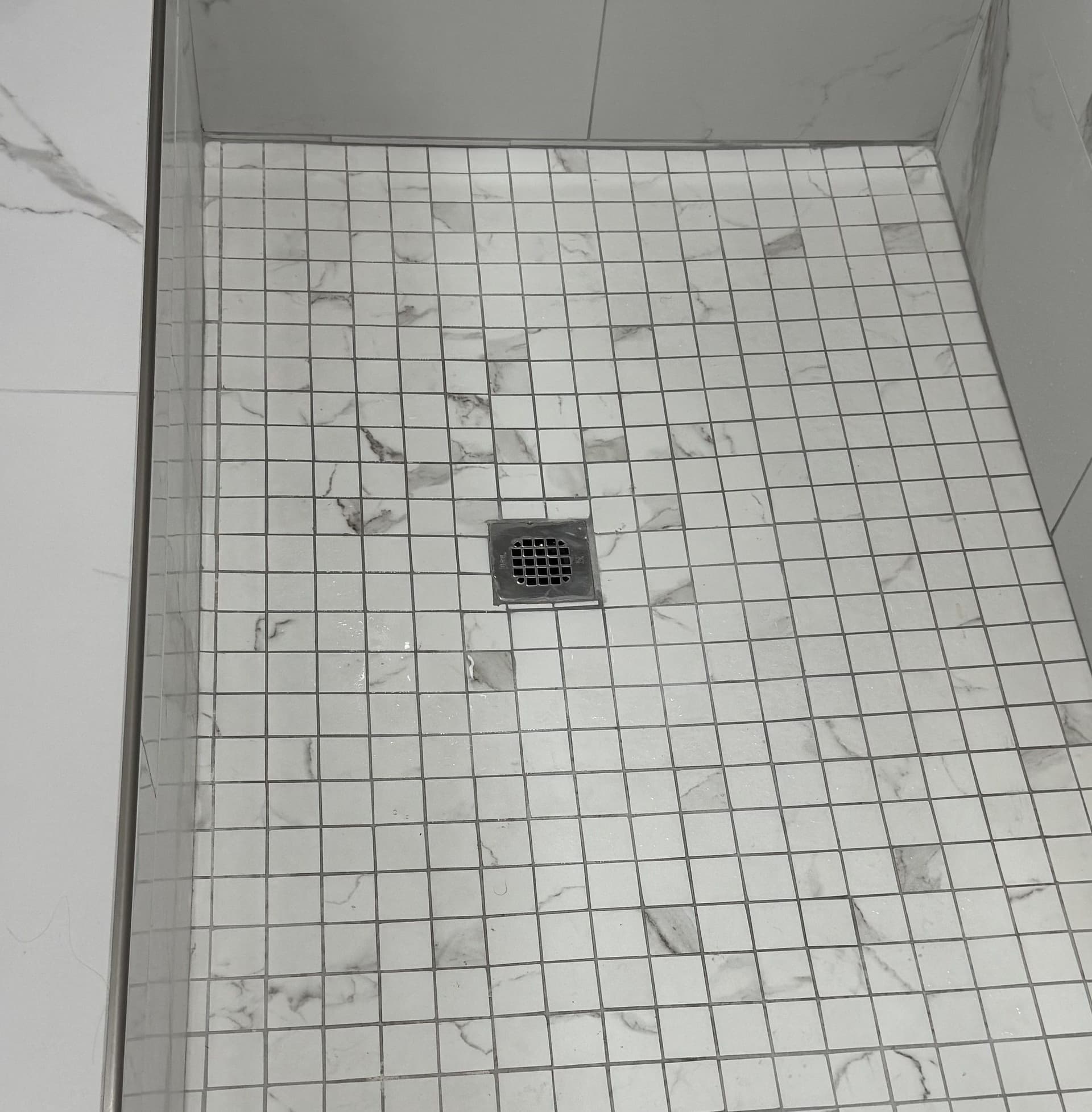
Common Causes of Shower Drain Odors in New Braunfels & San Antonio Homes
A smelly shower drain is one of the most common plumbing complaints homeowners deal with. Sometimes the smell is minor and easy to fix, but other times it can point to a larger plumbing or sewer issue hiding beneath the surface.
If your shower drain smells musty, rotten, sour, or like sewer gas, understanding the cause is the first step toward fixing it properly.
At Plunger Pros, we help homeowners throughout New Braunfels, San Antonio, Bulverde, Schertz, Cibolo, and the surrounding areas diagnose and solve drain odor problems the proper way.
What Causes a Shower Drain to Smell?
There are several possible reasons your shower drain may have an odor. Some are simple maintenance issues while others may require professional plumbing diagnostics.
1. A Dry P-Trap Allowing Sewer Gas Into the Home
Every shower drain has a curved section of pipe underneath called a P-trap. The purpose of the P-trap is to hold water, creating a barrier that prevents sewer gases from entering your home.
If the shower has not been used for an extended period of time, the water inside the trap can evaporate. Once the trap dries out, sewer odors can travel up through the drain and into the bathroom.
This is especially common in:
Guest bathrooms
Vacant homes
Secondary bathrooms
Homes for sale
Vacation properties
In many cases, simply running water for a few minutes can refill the trap and eliminate the smell.
2. Hair and Buildup Inside the Drain
Over time, shower drains collect:
Hair
Soap scum
Body oils
Shampoo residue
Biofilm buildup
This buildup can create strong odors inside the drain line, especially in warm and humid environments common throughout New Braunfels and San Antonio.
If the buildup becomes severe, it may also cause:
Slow draining
Gurgling sounds
Standing water
Recurring clogs
Professional drain cleaning or hydro jetting may be needed if the buildup cannot be removed manually.
3. A Broken Drain Pipe
In some situations, the issue is not the shower drain itself but a damaged drain pipe underneath the home.
If a drain line cracks, separates, or leaks, sewer gases can escape and enter the home or surrounding soil. This can create persistent odors that cleaning alone will not solve.
Signs of a potentially damaged drain line may include:
Ongoing sewer smells
Smells coming from multiple drains
Slow drains throughout the home
Recurring backups
Foundation movement history
Unexplained moisture or slab issues
In these cases, a professional camera inspection is often the best way to identify the source of the problem.
When Should You Call a Plumber for a Smelly Shower Drain?
A minor odor that disappears after cleaning may not be serious. However, if the smell continues or keeps returning, it is a good idea to have the plumbing system evaluated.
You should contact a plumber if you notice:
Gurgling drains
Multiple drains smelling
Slow draining water
Recurring backups
Sewer gas smells
Odors that return shortly after cleaning
Smells coming from drains that are regularly used
These symptoms can indicate a larger drainage or venting issue that requires professional testing and diagnostics.
DIY Steps You Can Try First
Before calling a plumber, there are a few safe steps homeowners can try.
Remove Hair and Debris
Hair buildup near the drain opening is one of the most common causes of shower drain odors.
Removing visible debris can improve drainage and reduce smell.
Flush the Drain With Hot Water
Flushing the drain with hot water can help loosen soap residue and light buildup inside the pipe.
Run Water in Unused Showers
If the bathroom has not been used recently, running water may refill the P-trap and block sewer gases.
Avoid Chemical Drain Cleaners
One of the biggest mistakes homeowners make is pouring chemical drain cleaners down the shower drain.
Chemical drain cleaners can:
Damage pipes
Harm older plumbing systems
Create dangerous fumes
Cause burns during future plumbing work
Fail to solve the actual problem
In many cases, these chemicals only provide temporary relief while the underlying issue continues getting worse.
How Plunger Pros Diagnoses Shower Drain Odors
At Plunger Pros, we focus on finding the cause of the issue instead of masking symptoms.
Depending on the situation, we may recommend:
Camera Inspections
Drain cameras allow us to visually inspect the inside of the drain line to identify:
Blockages
Heavy buildup
Broken pipes
Offsets
Root intrusion
Hydro Jetting
Hydro jetting uses high-pressure water to thoroughly clean the inside of drain lines and remove buildup that traditional snaking may leave behind.
Smoke Testing
If sewer odors are difficult to locate, smoke testing can help identify hidden leaks allowing sewer gases into the home.
Preventing Shower Drain Smells
The best way to prevent shower drain odors is through regular maintenance and early attention to slow drains.
Helpful prevention tips include:
Cleaning hair from drains regularly
Flushing drains periodically with hot water
Avoiding grease or harsh chemicals
Addressing slow drains early
Having recurring drain issues professionally inspected
Shower Drain Smell? Plunger Pros Can Help
If your shower drain smells and the issue keeps coming back, the problem may be deeper inside the plumbing system.
Plunger Pros provides professional drain cleaning, hydro jetting, camera inspections, and sewer odor diagnostics throughout:
New Braunfels
San Antonio
Bulverde
Schertz
Cibolo
Surrounding areas
We focus on identifying the real cause of plumbing problems so they can be fixed the proper way.
Plunger Pros
Plumbing done the proper way.
M45279
(830) 356-2141
Frequently Asked Questions About Shower Drain Odors
Why does my shower drain smell like sewer gas?
A shower drain may smell like sewer gas if the P-trap has dried out, a drain line is damaged, or there is a problem with the home's plumbing vent system. Sewer gas odors should not be ignored, especially if they continue returning after cleaning.
Is a smelly shower drain a serious problem?
Not always. In some cases, odors are caused by hair, soap scum, or biofilm buildup inside the drain. However, persistent odors can indicate a broken drain pipe, sewer gas leak, or other plumbing issue that should be professionally evaluated.
Why does my shower drain smell even after I clean it?
If the odor returns shortly after cleaning, the problem may be deeper in the drain system. Heavy buildup, a damaged drain line, venting issues, or sewer gas leaks can all cause recurring drain odors that surface cleaning will not solve.
Can a dry P-trap cause a shower drain to smell?
Yes. The P-trap is designed to hold water and block sewer gases from entering your home. If a shower is not used regularly, the water can evaporate, allowing sewer odors to come through the drain.
How do I know if my shower drain smell is coming from a broken pipe?
Signs of a damaged drain pipe may include recurring sewer odors, multiple slow drains, frequent backups, foundation movement, or smells coming from several fixtures throughout the home. A sewer camera inspection is often the best way to diagnose the issue.
Can hair in a shower drain cause bad odors?
Yes. Hair, soap residue, body oils, and other debris can accumulate inside the drain and create foul odors over time. This buildup can also contribute to slow drainage and recurring clogs.
Should I use chemical drain cleaners to get rid of shower drain odors?
Chemical drain cleaners are generally not recommended. They often provide only temporary relief and can damage plumbing pipes, create hazardous fumes, and make future plumbing repairs more dangerous.
What is the best way to remove shower drain odors?
The best solution depends on the cause of the odor. Simple issues may be resolved by cleaning the drain or refilling a dry P-trap. More serious problems may require professional drain cleaning, hydro jetting, camera inspections, or smoke testing.
Can hydro jetting help with shower drain smells?
Yes. Hydro jetting can remove heavy buildup, soap scum, biofilm, and debris from the inside of drain lines. This thorough cleaning often eliminates odors that traditional drain snaking may leave behind.
When should I call a plumber for a smelly shower drain?
You should contact a plumber if the odor keeps returning, multiple drains smell, drains are slow, backups occur, or you suspect sewer gas is entering the home. Professional testing can identify the root cause and prevent larger plumbing problems.