- Home
- Blog
- Signs You Need a Water Softener: 10 Warning Signs New Braunfels & San Antonio Homeowners Shouldn't Ignore
Signs You Need a Water Softener: 10 Warning Signs New Braunfels & San Antonio Homeowners Shouldn't Ignore
Explore 10 warning signs that indicate it's time for a water softener in New Braunfels and San Antonio. Protect your home from hard water damage.
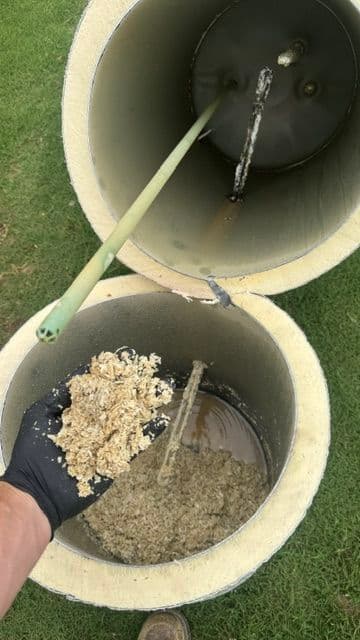
Signs You Need a Water Softener
Many homeowners don't realize they have hard water until they start experiencing plumbing problems.
At first, it may seem like a minor annoyance. You notice white spots on dishes, soap doesn't lather well, or your shower doors never seem completely clean.
Over time, however, hard water can affect nearly every part of your plumbing system.
At Plunger Pros, we regularly help homeowners throughout New Braunfels, San Antonio, Schertz, Cibolo, Bulverde, Spring Branch, Canyon Lake, and surrounding communities address hard water issues. In many cases, the homeowner doesn't realize how much damage hard water has been causing until a plumbing fixture fails, water pressure drops, or a water heater needs replacement.
The reality is that hard water is one of the biggest threats to plumbing systems in Central Texas.
If you're noticing any of the signs below, it may be time to consider installing a water softener.
What Is Hard Water?
Hard water contains elevated levels of dissolved minerals, primarily:
Calcium
Magnesium
As water travels through the ground and limestone formations common throughout Central Texas, it absorbs these minerals before entering municipal water systems and private wells.
While hard water is generally safe to drink, it can be extremely hard on plumbing systems and appliances.
Over time, those minerals accumulate inside:
Pipes
Faucets
Shower valves
Water heaters
Dishwashers
Ice makers
Washing machines
Shower heads
The result is reduced efficiency, increased maintenance, and shorter equipment lifespan.
How Hard Is the Water in New Braunfels and San Antonio?
Very hard.
Throughout our service area, we commonly see water hardness readings ranging from:
15 to 30 Grains Per Gallon (GPG)
To put that into perspective:
Water HardnessClassification 0-3gpg=Soft, 3-7gpg=Moderately Hard, 7-10=Hard, 10+gpg=Very Hard
Most of the water we test exceeds the threshold for very hard water.
This is one reason why water softeners are so common throughout New Braunfels, San Antonio, Bulverde, Spring Branch, Canyon Lake, Schertz, and Cibolo.
1. White Spots on Dishes and Glassware
One of the first signs homeowners notice is spotting on dishes and glasses.
You may find:
White spots on drinking glasses
Cloudy dishes after washing
Mineral deposits on silverware
Film that won't wipe away
These spots are actually mineral deposits left behind when water evaporates.
No matter how many times you clean them, the spots continue to return because the minerals are still present in the water.
2. White Buildup on Faucets and Fixtures
Hard water minerals don't just affect dishes.
They also accumulate on:
Faucets
Shower heads
Sink fixtures
Glass shower doors
Toilet components
Over time, the white crusty deposits become more noticeable and increasingly difficult to remove.
This buildup isn't just cosmetic.
Eventually, it can affect how plumbing fixtures operate.
3. Dry Skin and Hair
Many homeowners notice hard water affecting them personally before they notice plumbing issues.
Common complaints include:
Dry skin
Itchy skin
Dry hair
Soap residue after showering
Hard water makes it more difficult for soap to rinse away completely.
As a result, many people feel like their skin never feels fully clean after showering.
4. Soap Doesn't Lather Properly
Have you ever felt like you're using more soap, shampoo, or detergent than you should?
Hard water minerals interfere with soap's ability to lather.
This often results in:
More soap usage
Soap scum buildup
Reduced cleaning effectiveness
Many homeowners are surprised by how much less soap they need after installing a water softener.
5. Water Heater Rumbling or Popping Noises
One of the most important warning signs is a noisy water heater.
If your water heater makes:
Rumbling sounds
Popping noises
Crackling sounds
hard water may be the culprit.
As minerals settle inside the tank, they form a layer of sediment at the bottom.
When the burner or heating elements heat the water, steam bubbles force their way through this buildup and create the noises homeowners hear.
These sounds often indicate significant sediment accumulation.
6. Reduced Water Pressure
Many homeowners assume low water pressure is caused by the city water supply.
In reality, hard water is often responsible.
Over time, scale buildup can accumulate inside:
Water pipes
Faucet aerators
Shower heads
Valves
This buildup restricts water flow.
The result is reduced flow at fixtures that often feels like low water pressure.
In severe cases, scale buildup can significantly reduce the amount of water reaching fixtures throughout the home.
7. Shower Heads Constantly Clogging
Shower heads are among the first fixtures affected by hard water.
The small openings inside the shower head gradually become restricted by mineral deposits.
Common symptoms include:
Uneven spray patterns
Reduced flow
Water spraying sideways
Frequent cleaning requirements
Many homeowners replace shower heads repeatedly without realizing hard water is causing the problem.
8. Faucets and Toilets Need Frequent Repairs
Hard water affects more than appearance.
It also impacts how fixtures function.
We commonly see:
Faucet cartridges sticking
Faucet cartridges failing prematurely
Toilet fill valves wearing out
Toilet components becoming clogged
Difficult-to-operate shower valves
Hard water minerals gradually accumulate inside moving components and interfere with normal operation.
This leads to more repairs and shorter fixture lifespan.
9. Water Heater Problems
Water heaters are among the most expensive appliances affected by hard water.
Hard water can contribute to:
Reduced hot water volume
Slower recovery times
Increased utility bills
Burned-out electric heating elements
Premature tank failure
Gas Water Heaters
Sediment accumulates on the bottom of the tank and creates insulating layers that trap heat.
This causes overheating and reduces efficiency.
Electric Water Heaters
Scale buildup forms on the heating elements themselves.
As the buildup thickens, the elements must work harder and operate at higher temperatures.
This often results in premature element failure.
10. You're Replacing Plumbing Fixtures More Often Than You Should
Many homeowners don't realize how much money hard water costs them over time.
Without a water softener, hard water can shorten the lifespan of:
Water heaters
Faucets
Shower heads
Dishwashers
Washing machines
Ice makers
Plumbing valves
If you're repeatedly repairing or replacing plumbing fixtures, hard water may be a contributing factor.
The Biggest Misconception About Water Softeners
One of the most common concerns we hear is:
"I don't want all that salt in my drinking water."
Fortunately, that's not actually how water softeners work.
Water softeners use a process called ion exchange.
As hard water passes through the softener:
Calcium is removed
Magnesium is removed
Small amounts of sodium replace those minerals
The amount of sodium added is extremely small.
Even with very hard water, a typical glass of softened water may contain approximately 35 milligrams of sodium.
For comparison:
A single slice of white bread often contains 100 to 150 milligrams of sodium.
The amount added by a properly functioning water softener is generally minimal.
Do Water Softeners Help Plumbing Systems Last Longer?
Absolutely.
By removing the minerals responsible for scale buildup, water softeners help protect:
Pipes
Faucets
Toilets
Shower valves
Water heaters
Appliances
Many homeowners experience fewer plumbing repairs and longer equipment lifespan after installing a water softener.
The One Exception: Water Heater Anode Rods
There is one important exception.
Soft water can cause standard magnesium anode rods inside water heaters to deteriorate more quickly.
The anode rod is designed to sacrifice itself to protect the tank from corrosion.
When a water softener is installed, the rod may need replacement sooner than it would otherwise.
One way to address this is by installing a powered anode rod.
Powered anode rods can provide longer-lasting protection and eliminate the need for periodic sacrificial rod replacement.
Why We Often Recommend a Water Softener and Carbon Filtration System
If possible, we typically recommend combining:
A Water Softener
To remove hardness minerals.
A Carbon Filtration System
To remove:
Chlorine
Chloramines
Disinfectants
Other contaminants
This is especially important because local water supplies use different disinfectants.
New Braunfels
Uses chloramine as a disinfectant.
San Antonio
Uses free chlorine.
These chemicals can gradually damage water softener resin and contribute to wear throughout the plumbing system.
A properly designed treatment system helps protect both the water softener and the home's plumbing system.
Is a Water Softener a Luxury or a Necessity?
In some parts of the country, a water softener may be considered a luxury.
In New Braunfels, San Antonio, and much of Central Texas, we consider it a necessity.
When water hardness commonly measures between 15 and 30 GPG, the impact on plumbing systems becomes difficult to ignore.
A water softener helps:
Protect plumbing fixtures
Extend appliance life
Improve water heater performance
Reduce maintenance costs
Improve cleaning effectiveness
Reduce scale buildup throughout the home
For many homeowners, the long-term savings and reduced plumbing issues outweigh the initial investment.
Protect Your Plumbing System from Hard Water Damage
If you're seeing white buildup, experiencing low water pressure, hearing your water heater rumble, or dealing with recurring plumbing fixture issues, hard water may be the underlying cause.
Plunger Pros provides water hardness testing, water softener installation, carbon filtration systems, water heater maintenance, and water treatment solutions throughout New Braunfels, San Antonio, Schertz, Cibolo, Bulverde, Spring Branch, Canyon Lake, and surrounding communities.
Plunger Pros
Plumbing done the proper way
M45279
(830) 356-2141
Frequently Asked Questions
What are the signs of hard water?
Common signs include white spots on dishes, scale buildup on fixtures, dry skin, reduced water pressure, and water heater issues.
How hard is the water in New Braunfels and San Antonio?
We commonly see water hardness levels ranging from 15 to 30 GPG, which is considered very hard water.
Can hard water cause low water pressure?
Yes. Scale buildup can restrict water flow inside pipes, valves, shower heads, and faucet aerators.
Will a water softener help my water heater last longer?
In many cases, yes. Reducing scale buildup helps improve efficiency and can extend water heater lifespan.
Do water softeners add a lot of salt to drinking water?
No. The amount of sodium added is generally very small and often less than what is found in common foods.
What appliances benefit most from a water softener?
Water heaters, dishwashers, shower heads, washing machines, and plumbing fixtures typically benefit the most.
Should I install a water softener or a filtration system?
For most homeowners in our area, a combination of a water softener and carbon filtration system provides the best overall protection.
Is hard water damaging my plumbing?
Over time, yes. Hard water can contribute to scale buildup, reduced flow, premature fixture wear, and appliance failures.