What Hard Water Does to Your Water Heater Over Time
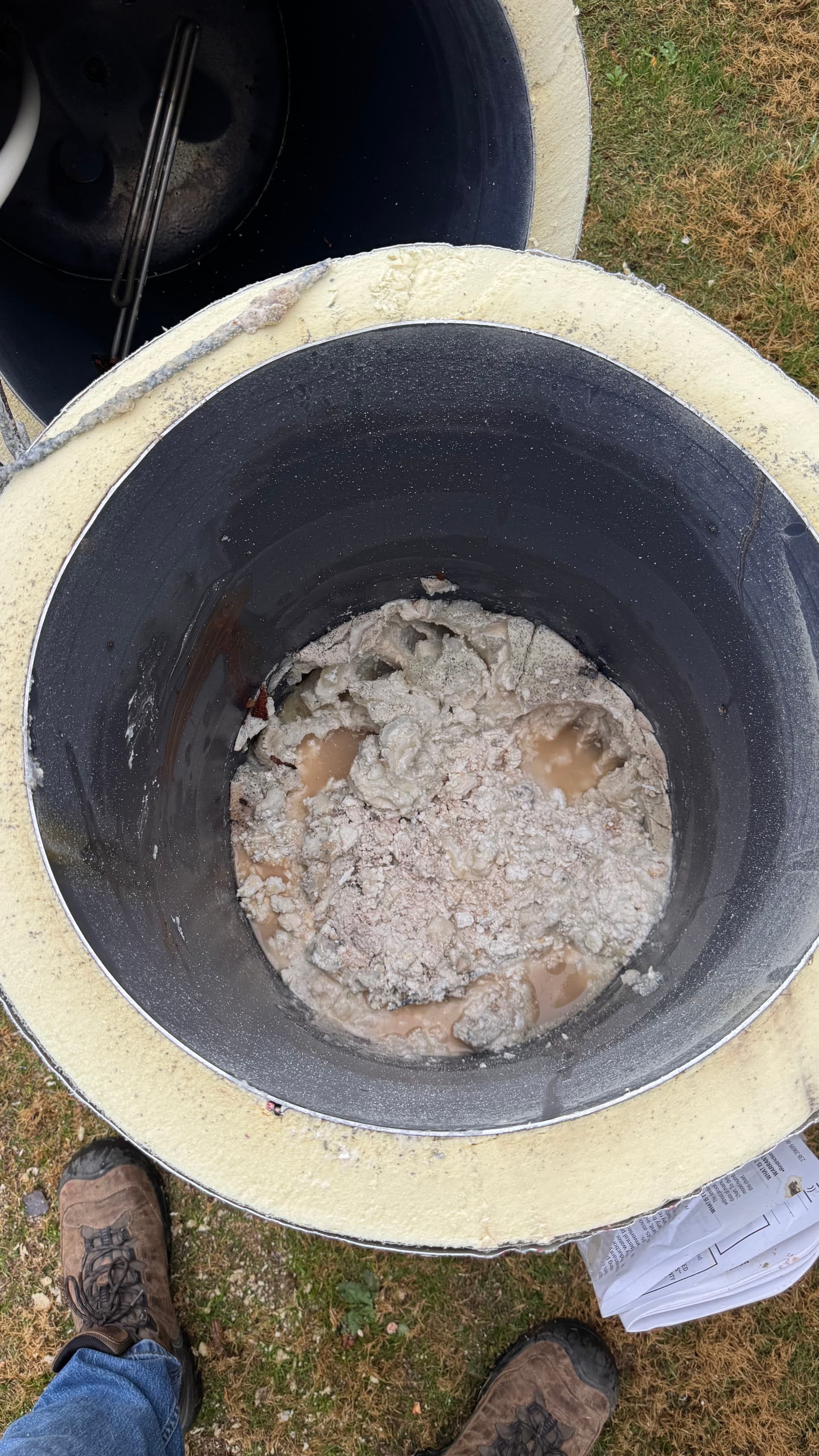
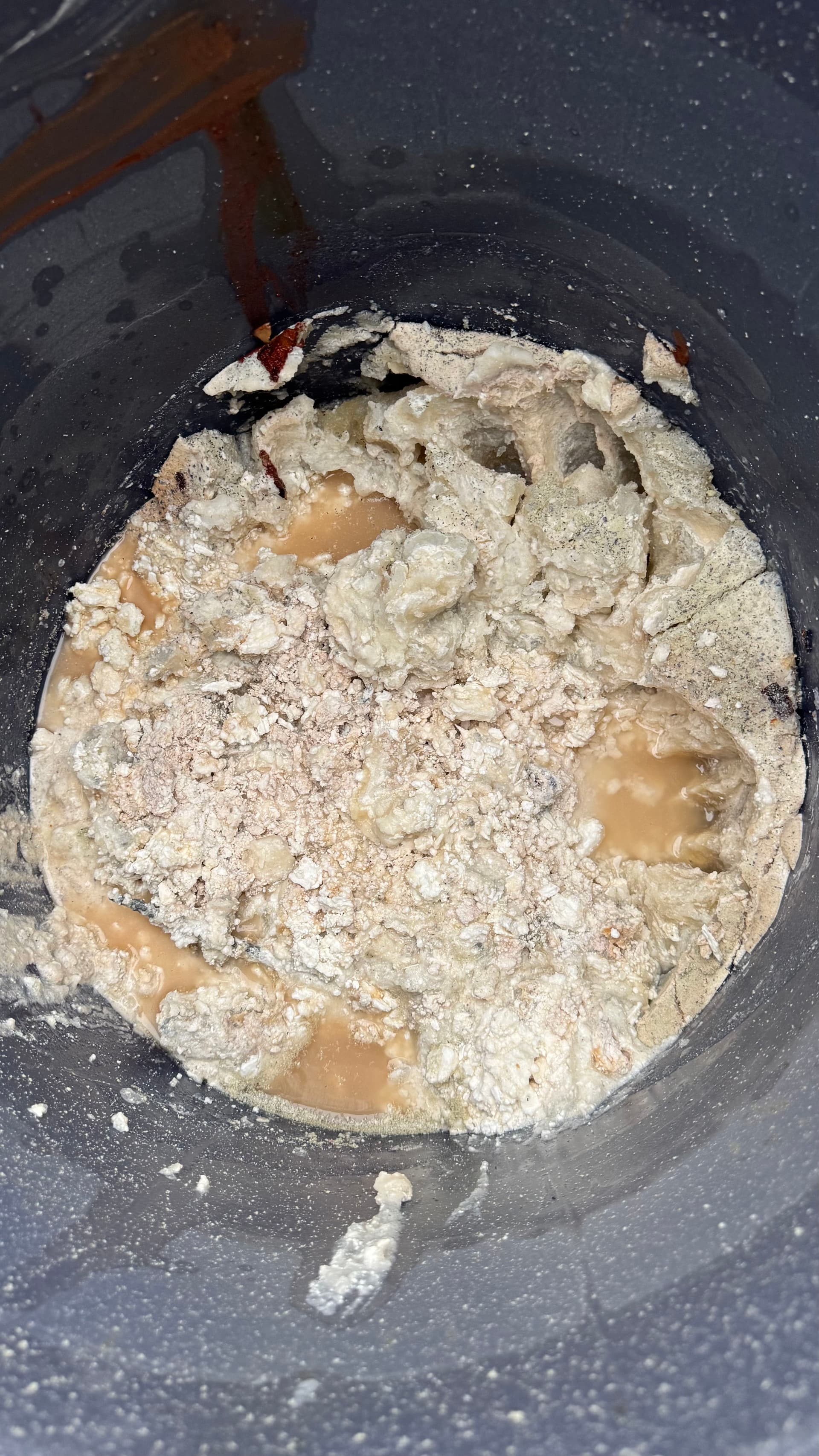
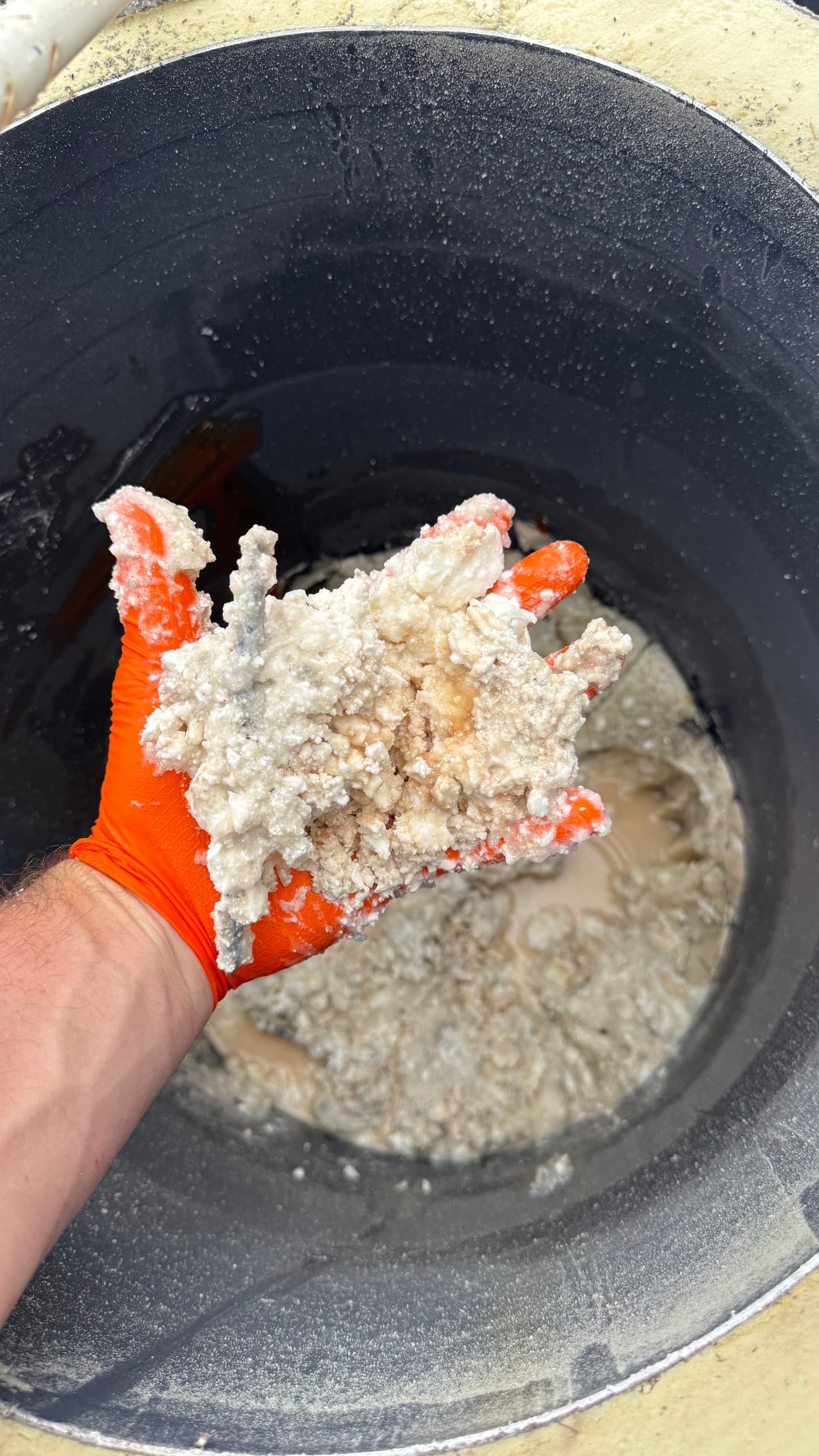
Hard water is one of the most common - and most overlooked - threats to your home's plumbing. If you're in Texas, you already know the water is tough. What you might not know is exactly what it's doing inside your water heater while you're going about your day.
That chalky, clay-like buildup you're seeing is mineral scale. Calcium and magnesium deposits from hard water settle at the bottom of the tank over time, forming a thick layer of sediment. It insulates the water from the burner, so your system has to work harder just to heat the same amount of water. That means higher energy bills and more wear on the unit.
The tricky part is that none of this is visible from the outside. Your water heater can look completely fine while this kind of buildup is quietly grinding away at its lifespan. By the time most homeowners notice a problem - popping or rumbling sounds, inconsistent hot water, a spike in their utility bill - the damage is already well underway.
This is exactly why we talk so much about water treatment. A properly installed and maintained water softener works upstream of your water heater, reducing the mineral load before it ever reaches the tank. Less scale means less strain, fewer repairs, and a longer life for your equipment. It's one of those investments that quietly pays for itself.
Regular water heater maintenance paired with a good water softener installation is one of the best combinations you can put in place for your home. We handle both - from diagnosing what's happening inside your tank to setting up a water treatment system that protects everything downstream.