What Causes Drain Lines to Break Under a Foundation?
Explore causes of broken drain lines under a foundation and how to prevent issues.
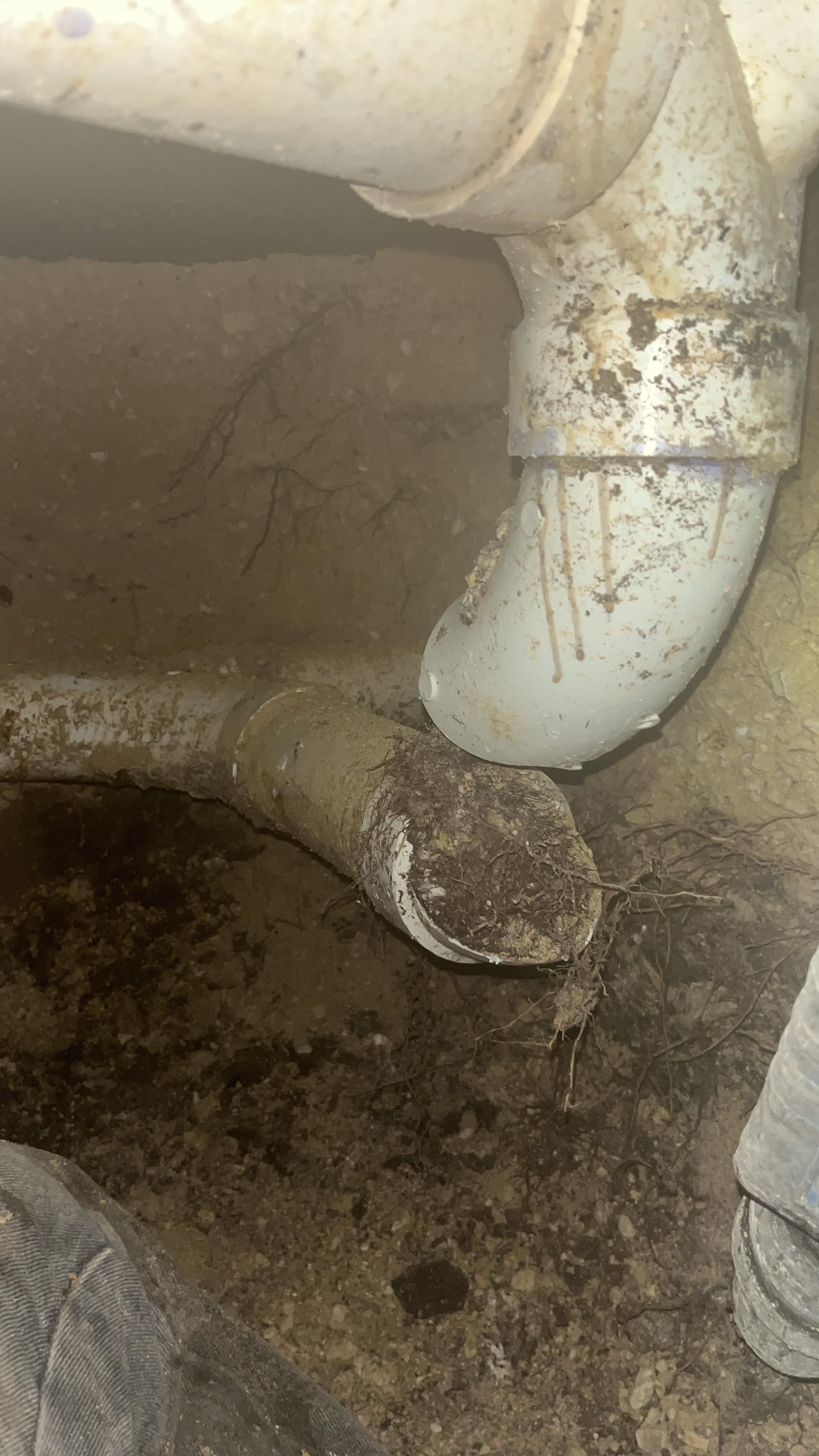
What Causes Drain Lines to Break Under a Foundation?
Few plumbing problems concern homeowners more than finding out they have a broken drain line beneath their foundation.
In many cases, homeowners first learn about the problem after experiencing:
Recurring drain backups
Slow drains
Sewer Odors
A failed hydrostatic test
Foundation-related plumbing concerns
One of the first questions we hear is:
"How did the drain line break in the first place?"
The reality is that most underground drain line failures are not caused by anything the homeowner did wrong.
At Plunger Pros, we regularly diagnose and repair broken drain lines throughout New Braunfels, San Antonio, Schertz, Cibolo, Bulverde, Spring Branch, Canyon Lake, and surrounding communities. Over the years, we've found that most under-slab drain failures are caused by a handful of common issues.
Let's discuss what causes drain lines to break beneath a foundation and what homeowners should watch for.
Why Are Drain Lines Installed Beneath the Foundation?
Most homes throughout New Braunfels and San Antonio are built on concrete slab foundations.
Unlike homes with basements, the drain system is installed beneath the foundation before the concrete is poured.
The drain pipes:
Run through the soil beneath the slab
Pass up through the foundation
Connect to toilets, showers, sinks, and other fixtures
Because the drain system is physically connected to the home, movement of the foundation can directly affect the plumbing system beneath it.
The Most Common Causes of Broken Drain Lines
1. Foundation Movement
Foundation movement is one of the most common causes of under-slab drain line failures in Central Texas.
The expansive soils throughout our area expand and contract as moisture levels change.
Over time, this movement can cause:
Foundation settlement
Foundation lifting
Uneven movement
Stress on underground plumbing
When the foundation moves, the drain system often moves with it.
Because portions of the drain line are buried beneath the foundation while other portions pass through the slab, movement can place stress on pipe joints and fittings.
Eventually this can result in:
Broken pipes
Separated joints
Cracked fittings
Drain line leaks
2. Aging Cast Iron Drain Pipes
Many older homes throughout New Braunfels and San Antonio were built with cast iron drain systems.
Cast iron was a durable material for many years, but it does not last forever.
Over time, cast iron drain lines can experience:
Internal corrosion
External corrosion
Cracking
Deterioration
Structural failure
Because these pipes are buried underground, homeowners often don't realize there is a problem until backups or leaks begin occurring.
As cast iron systems continue aging, failures become increasingly common.
3. Failed Pipe Joints
Not every drain failure involves a broken pipe.
Sometimes the pipe itself is intact while the connection between sections of pipe fails.
These failures often occur at:
Pipe joints
Fittings
Transitions between materials
Once a joint separates, wastewater can begin escaping into the surrounding soil.
Over time, the separation may worsen and eventually lead to backups, sewer odors, or failed hydrostatic tests.
4. Improperly Installed or Supported PVC Pipe
PVC pipe is extremely common in newer homes.
When installed properly, PVC drain systems can provide many years of reliable service.
However, installation quality matters.
One of the most common problems we encounter is:
Improper Pipe Support
When drain piping is not adequately supported, it becomes more susceptible to movement over time.
This can lead to:
Sagging sections
Improper slope
Pipe stress
Joint failures
In some cases, the problems don't become apparent until years after construction.
What Is a Belly or Sag in a Drain Line?
One of the most common issues we identify during sewer camera inspections is a drain line belly.
A belly, sometimes called a sag, occurs when a section of pipe dips downward instead of maintaining a consistent slope toward the sewer.
Rather than flowing smoothly through the pipe, water and waste collect in the low area.
This creates several problems.
Material Settles in the Pipe
Waste that should exit the system remains trapped in the low spot.
Increased Risk of Backups
As debris accumulates, blockages become more likely.
Slow Drainage
Fixtures may drain slower than normal.
Recurring Drain Problems
The same area may continue causing issues until repaired.
What Causes Drain Bellies?
Common causes include:
Foundation Movement
Movement beneath the home can alter pipe elevations.
Soil Expansion and Contraction
Changing moisture conditions affect soil support.
Improper Installation
Insufficient support during installation can allow the pipe to settle over time.
How Tree Roots Damage Drain Lines
Many homeowners assume roots break into healthy pipes.
In reality, roots are usually attracted to an existing weakness.
For example:
A small crack
A failed joint
A minor leak
Water escaping from the drain system attracts roots searching for moisture.
Once roots enter the pipe, they continue growing.
Over time they can:
Restrict flow
Worsen existing damage
Cause recurring backups
Create larger openings
This is especially common in older sewer systems and drain lines.
Warning Signs of a Broken Drain Line Beneath a Foundation
Drain line failures often provide warning signs before major problems occur.
Common symptoms include:
Recurring Drain Backups
A drain that repeatedly clogs may have an underlying structural issue.
Slow Drains
Especially when multiple fixtures are affected.
Gurgling Drains
Air movement within the system can indicate drainage issues.
Sewer Odors
Escaping sewer gases may indicate damaged piping.
Failed Hydrostatic Test
A failed hydrostatic test often indicates a leak somewhere within the underground drain system.
A Real New Braunfels Drain Repair
We recently worked with a homeowner in New Braunfels who was experiencing sewage backing up into the tubs and showers.
The main building drain had become blocked.
We began by removing the primary bathroom toilet and using drain cleaning equipment to clear the blockage.
Once flow was restored, we performed a sewer camera inspection.
The camera revealed a break in the main building drain beneath the home's foundation.
At that point, we performed hydrostatic pinpoint testing to verify whether additional leaks existed elsewhere in the system.
The testing confirmed that the break we located was the only leak.
To access the damaged piping, we excavated a tunnel beneath the home.
Once exposed, we removed all damaged PVC piping and fittings and installed new PVC pipe, fittings, and properly supported hangers attached to the foundation.
After the repairs were completed, we performed another hydrostatic test.
The system passed.
The repair was then inspected by both a city plumbing inspector and an engineer before the tunnel was backfilled.
The homeowner's drain system was restored and the recurring backups were eliminated.
Can Homeowners Prevent Drain Lines From Breaking?
In most cases, homeowners do not directly cause drain line failures beneath a foundation.
Issues such as:
Foundation movement
Soil movement
Pipe aging
Improper installation
are largely outside of the homeowner's control.
However, homeowners can reduce the likelihood of drain problems by avoiding materials that contribute to blockages.
This includes avoiding:
Flushable Wipes
Despite the marketing, these products are a common cause of sewer stoppages.
Grease
Grease hardens inside drain systems and contributes to blockages.
Foreign Objects
Only wastewater and appropriate waste should enter the drain system.
While these practices may not prevent a pipe from breaking, they can help reduce backups and stress on the system.
How Are Broken Drain Lines Beneath a Foundation Repaired?
The repair process typically involves several steps.
Step 1: Locate the Problem
A sewer camera inspection and hydrostatic testing are often used to identify the issue.
Step 2: Perform Hydrostatic Pinpoint Testing
Additional testing may be performed to determine whether multiple leaks exist.
Step 3: Pull Permits
Permits are obtained as required.
Step 4: Excavate a Tunnel
A tunnel is excavated beneath the home's foundation to access the damaged pipe.
Step 5: Replace the Damaged Piping
The broken pipe and fittings are removed and replaced.
Step 6: Retest the System
A hydrostatic test verifies that all leaks have been repaired.
Step 7: Inspections
The repair is inspected by the city and an engineer when required.
Step 8: Backfill the Tunnel
Once inspections pass, the tunnel is backfilled and the project is completed.
The Bottom Line
Most broken drain lines beneath foundations are caused by:
Foundation movement
Soil movement
Aging cast iron systems
Failed joints
Improperly supported piping
The good news is that these problems can usually be identified through proper testing and repaired without tearing apart the interior of the home.
Understanding the causes of drain line failures can help homeowners make informed decisions when plumbing problems arise.
Related Plumbing Resources
Need Help Diagnosing a Drain Line Problem?
Plunger Pros provides sewer camera inspections, hydrostatic testing, hydrostatic pinpoint testing, tunnel repairs, and drain replacements throughout New Braunfels, San Antonio, Schertz, Cibolo, Bulverde, Spring Branch, Canyon Lake, and surrounding communities.
Plunger Pros
Plumbing done the proper way
M45279
(830) 356-2141
Frequently Asked Questions
What causes drain lines to break beneath a foundation?
The most common causes are foundation movement, soil movement, aging cast iron pipes, failed pipe joints, and improperly supported PVC piping.
What is a drain line belly?
A belly is a low spot in a drain line where water and waste collect instead of flowing properly through the system.
Can tree roots break a drain pipe?
Roots usually enter through an existing crack, leak, or failed joint and then worsen the damage over time.
How do I know if I have a broken drain line?
Common signs include recurring backups, slow drains, sewer odors, and failed hydrostatic tests.
Can a sewer camera inspection find a broken drain line?
Often yes, but not always. Some portions of the system may not be visible, which is why hydrostatic testing is also important.
Can a broken drain line be repaired without breaking my floors?
In many cases, yes. Tunneling beneath the foundation is often the preferred repair method in New Braunfels and San Antonio.
Are older homes more likely to have drain line failures?
Yes. Older homes with cast iron drain systems are generally more susceptible to age-related failures.
What happens after a broken drain line is found?
Additional testing may be performed, permits are pulled, repairs are completed, the system is retested, and inspections are performed before the project is finalized.